What Causes Hair Loss?

Regenera Activa is one of the most advanced regenerative procedures to treat Androgenetic Alopecia using autologous micrografting thanks to its revolutionary Rigenera® Technology.

Find a Clinic Near you
1

Genetics

(DHT Sensitivity)

Family history and inherited DHT sensitivity can shrink follicles and gradually shorten the hair growth cycle.
2

Hormonal
Changes

Pregnancy, menopause, thyroid imbalance, and androgen changes can trigger temporary or progressive shedding.
3

Nutritional
Deficiencies

Low iron, vitamin D, protein, zinc, or B vitamins may affect follicle strength and healthy hair production.
4

Stress & Telogen
Effluvium

Physical or emotional stress can push more follicles into the resting phase, causing increased shedding.
5

Scalp
Conditions

Inflammation, dandruff, psoriasis, infections, and other scalp conditions can weaken follicles or disrupt growth.
6

Medications

Certain blood thinners, antidepressants, chemotherapy agents, and hormonal medications list hair loss as a side effect.

Types of Alopecia

Not all hair loss is the same. Understanding your type helps determine the right treatment.
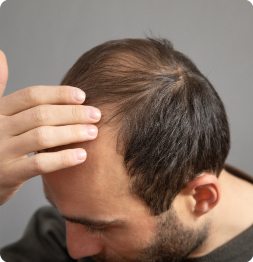
Androgenetic Alopecia(AGA)

Androgenetic Alopecia(AGA)

Gradual thinning around the hairline or crown linked to inherited follicle sensitivity.
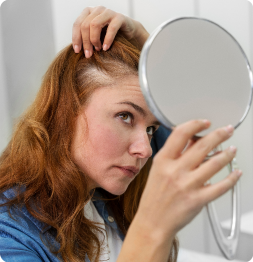
Telogen Effluvium

Telogen Effluvium

Temporary shedding that can follow stress, illness, surgery, childbirth, or nutritional changes.
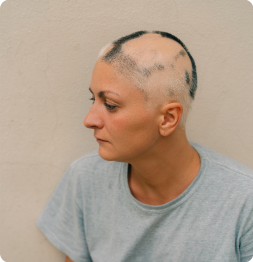
Alopecia Areata

Alopecia Areata

Patchy hair loss caused when the immune system affects active hair follicles.
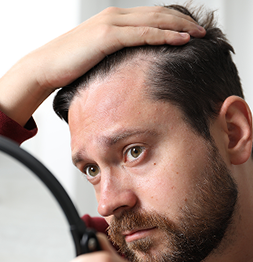
Traction Alopecia

Traction Alopecia

Hair thinning, broken hairs, redness, itching, bumps, soreness, hairline recession
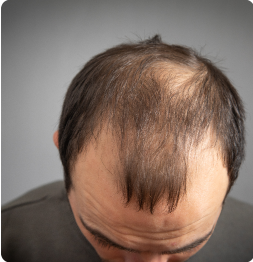
Scarring Alopecias

Scarring Alopecias

Inflammation can permanently damage follicles and replace healthy tissue with scar tissue.

Myths Debunked

Let’s separate fact from fiction.

Lorem Ipsum is simply dummy text of the printing and typesetting industry. Lorem Ipsum has been the industry’s standard dummy text ever since the 1500s

Lorem Ipsum is simply dummy text of the printing and typesetting industry. Lorem Ipsum has been the industry’s standard dummy text ever since the 1500s

Lorem Ipsum is simply dummy text of the printing and typesetting industry. Lorem Ipsum has been the industry’s standard dummy text ever since the 1500s

Lorem Ipsum is simply dummy text of the printing and typesetting industry. Lorem Ipsum has been the industry’s standard dummy text ever since the 1500s

Lorem Ipsum is simply dummy text of the printing and typesetting industry. Lorem Ipsum has been the industry’s standard dummy text ever since the 1500s

When to See a Doctor

Don't wait until hair loss is advanced. Early intervention produces better outcomes.

Find a Certified Specialist

Early

Early changes can be subtle:

  • More hair shedding than usual
  • Slight thinning around the hairline
  • Wider parting or reduced volume

Seeing a specialist early helps identify the cause, protect active follicles, and create a plan before hair loss becomes more visible.
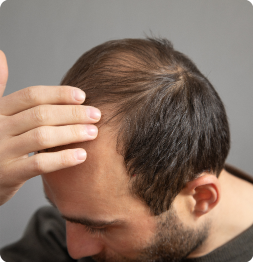

Early

Moderate

Hair loss is becoming more visible:

  • Noticeable receding hairline
  • Reduced density in crown area
  • Slower regrowth

As these signs progress, hair loss can start to affect overall appearance and confidence. A receding hairline, thinning at the crown, and slower regrowth often indicate that hair follicles are weakening and need timely attention to prevent further loss and restore healthier growth.
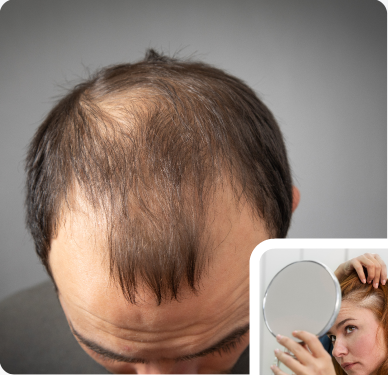

Moderate

Advanced

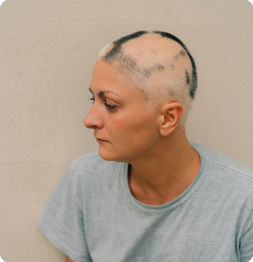
Hair loss is extensive or progressing quickly:

  • Larger bald or thinning areas
  • Scalp visibility across multiple zones
  • Little response to routine care

Advanced hair loss needs medical evaluation to understand follicle activity, rule out underlying causes, and determine which treatment options are still suitable.
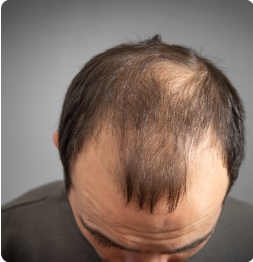
Advanced